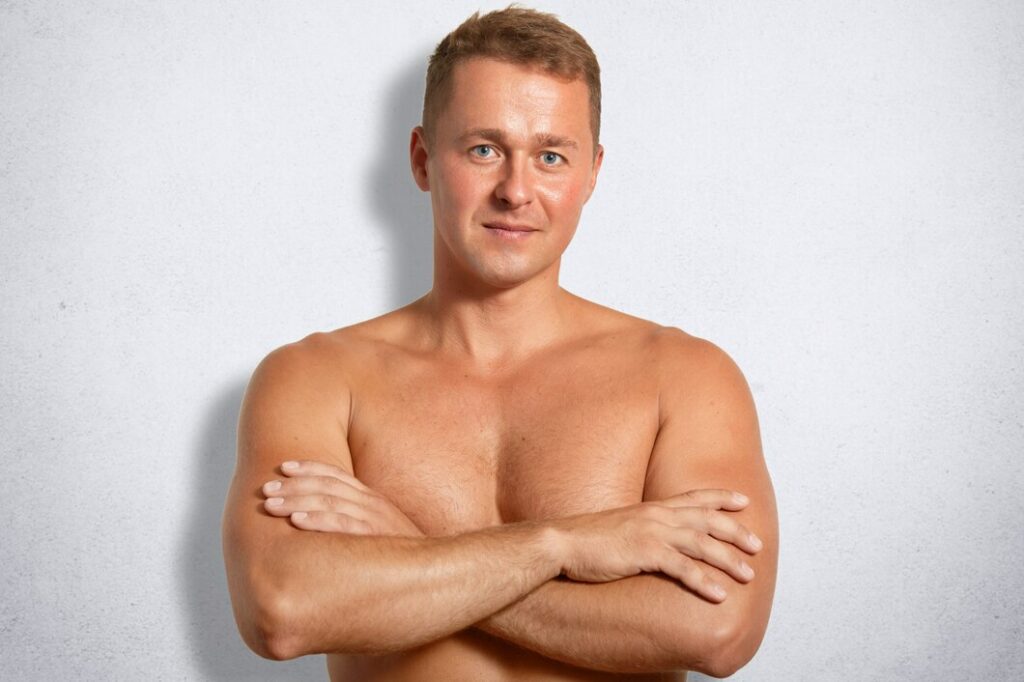





Gynecomastia is the enlargement of male breast tissue and can be caused by glandular growth, excess fat, or a combination of both. When diet and exercise do not address the issue, gynecomastia surgery can restore a flatter, more masculine chest contour while improving clothing fit and self-confidence.
Who Is a Good Candidate?
Candidate suitability depends on goals, anatomy, skin quality, and overall health. A consultation typically includes a physical exam, medical history review, and a discussion of the most realistic outcome for your body and lifestyle.
How the Procedure or Treatment Works
Gynecomastia correction often combines liposuction (to remove fatty tissue and blend contours) with gland excision (to remove firm glandular tissue behind the areola). The incision is usually placed along the areola edge to keep it discreet. The surgical plan is individualized to avoid under-correction, over-resection, and contour irregularities.
Recovery and Results
Recovery timing varies by procedure and individual healing. You may experience temporary swelling and bruising, with steady improvement over the first few weeks. Final refinement can take several months, and following aftercare instructions is essential to protect results.
Risks and Key Considerations
All aesthetic procedures carry risks, including infection, bleeding, asymmetry, contour irregularities, and unsatisfactory results. Risk is reduced by proper patient selection, accredited facilities, surgeon experience, and strict adherence to post-operative guidance.
Final Thoughts
If you are considering gynecomastia surgery, the most productive next step is a detailed consultation that aligns goals, confirms candidacy, and sets a realistic recovery plan. A tailored strategy is what turns a “good idea” into a safe, natural-looking result.