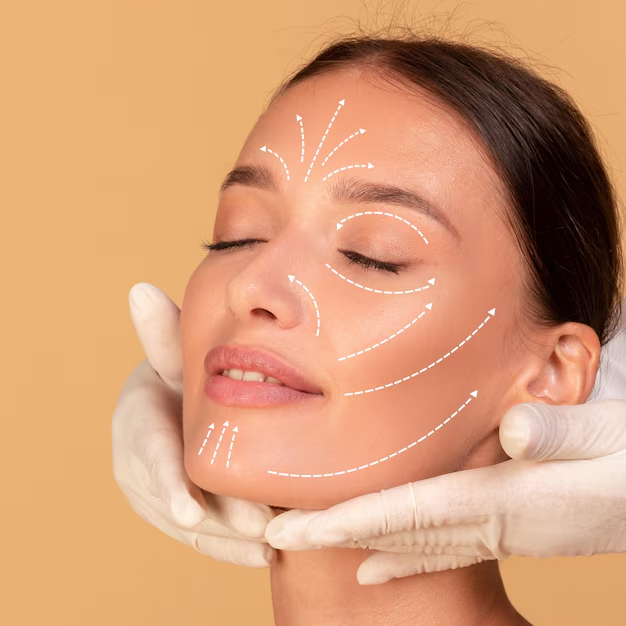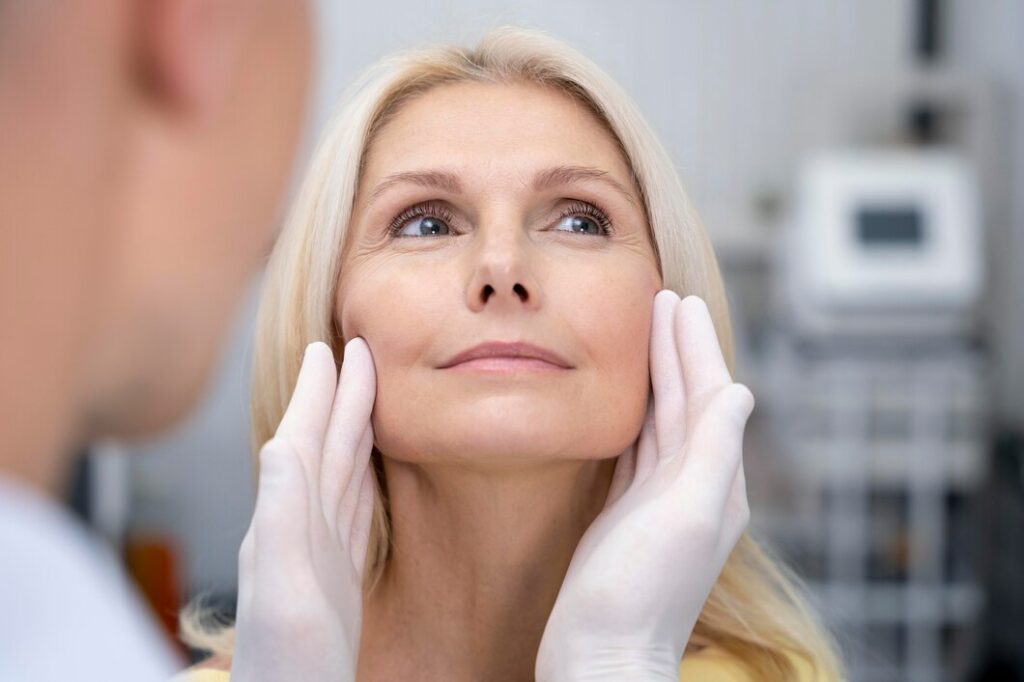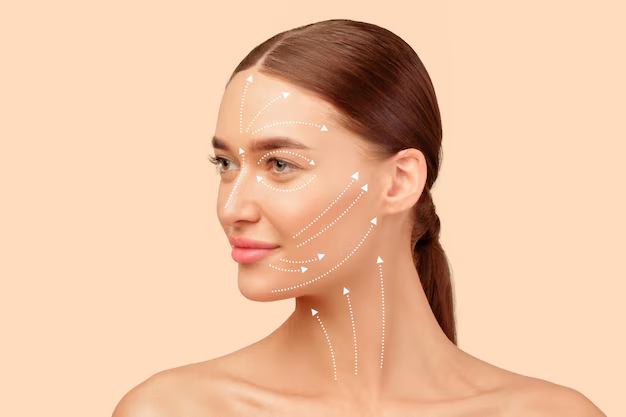




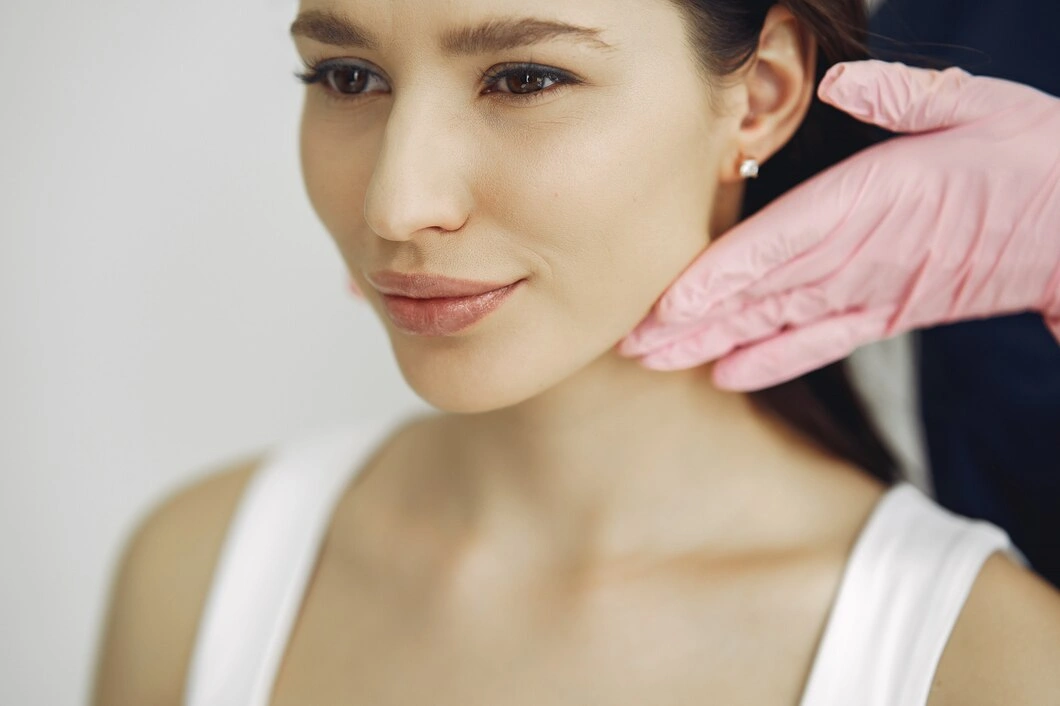
Facial rejuvenation surgery is not a single procedure. It is a group of surgical methods designed to restore a fresher, more youthful appearance by addressing facial sagging, volume loss, skin laxity, and age-related changes around the eyes, brows, cheeks, jawline, and neck. The most appropriate option depends on what is aging first on your face (skin, fat, muscle support, or all three), your anatomy, and the result you want: subtle refinement versus a more comprehensive reset.
1) Facelift techniques
A facelift primarily targets midface and lower-face sagging, including jowls and loss of jawline definition. Modern approaches focus on repositioning deeper support layers (not only tightening skin) to avoid an over-pulled look.
Common facelift options include:
- Lower facelift: focuses on the jawline and jowls.
- Midface lift: targets the cheeks and the area beneath the eyes.
- Deep plane facelift (advanced technique): repositions deeper tissues for long-lasting, natural results in suitable candidates.
Best for: jowls, marionette lines, midface descent, and overall laxity in the lower face.
2) Neck lift
Many patients feel their face looks improved, but the neck still reveals aging. A neck lift can improve loose neck skin, muscle banding (platysmal bands), and submental fullness (sometimes combined with liposuction).
Best for: neck laxity, under-chin fullness, and loss of neck angle definition.
3) Eyelid surgery (blepharoplasty)
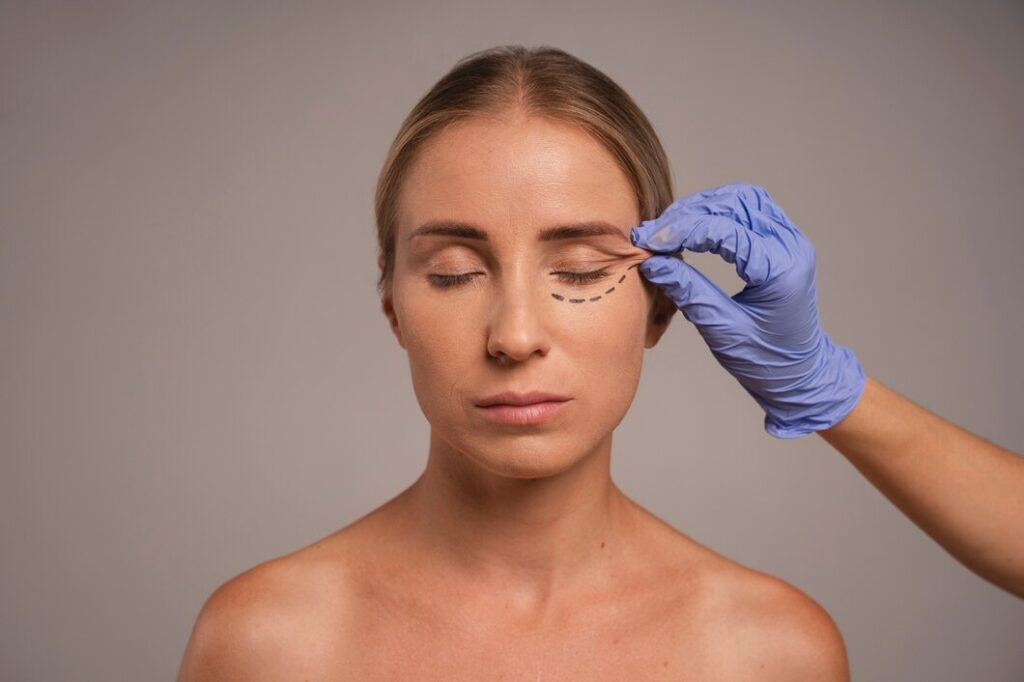
Aging around the eyes can create a tired or heavy expression even when you feel energetic. Eyelid surgery can address upper eyelid heaviness (excess skin and hooding), under-eye bags, and lower eyelid laxity. In selected cases, additional support techniques may be used to improve stability.
Best for: droopy upper lids, under-eye bags, and a fatigued appearance.
4) Brow lift and forehead rejuvenation
Brow descent can contribute to upper eyelid heaviness and change facial expression. Brow lift techniques elevate and reshape brow position and, in appropriate candidates, can soften forehead aging.
Best for: low brows, heavy upper lids caused by brow descent, and forehead aging.
5) Fat transfer and volume restoration
A youthful face is not only tighter; it is also well-supported with natural volume. Fat transfer (fat grafting) can restore volume to the cheeks, temples, under-eye hollows, and smile lines. It is often combined with lifting procedures for a balanced, refreshed-not-changed outcome.
Best for: hollowing, deflation, and facial volume loss.
6) Midface and cheek support procedures
For patients whose main concern is the under-eye to cheek area (tear trough, flattening, or descent), midface-focused procedures can improve transitions and restore contour. In some cases, structural support techniques are used to enhance stability and improve under-eye appearance.
Best for: under-eye and cheek aging, midface descent, and contour imbalance.
7) Chin and jawline enhancement
Sometimes the appearance of aging is accentuated by weak chin projection or limited jawline definition. As part of facial rejuvenation planning, surgeons may recommend chin augmentation, chin reshaping, or jawline contouring to improve harmony and support.
Best for: a weak chin, less defined jawline, and profile imbalance.
Surgical vs non-surgical: how they fit together
Non-surgical treatments (for example, botulinum toxin injections, dermal fillers, energy-based treatments, and medical skincare) can be effective for early aging or maintenance, but they have limits, especially for significant sagging and excess skin. Many patients do best with a hybrid plan: surgery for structural lifting and correction, and non-surgical treatments for skin quality and long-term maintenance.
Choosing the right method: what matters most
A high-quality facial rejuvenation plan is individualized and typically considers where sagging is occurring (midface, jawline, or neck), skin quality and thickness, the degree of volume loss, prior procedures, tolerance for downtime, and natural aesthetic goals. Often, the most natural results come from combining procedures (for example, facelift plus neck lift plus fat transfer, or eyelid surgery plus brow lift) rather than overdoing a single method.
Recovery expectations (general)
Recovery varies by procedure, but patients typically experience swelling and bruising in the first 1 to 2 weeks, a socially comfortable appearance improving steadily after the early healing phase, and continued refinement over weeks to months. The timeline depends on your anatomy, the techniques used, and whether multiple procedures are combined.
Facial rejuvenation surgery offers multiple methods: facelift and neck lift, eyelid surgery, brow lift, and volume restoration with fat transfer. The best approach is not the most surgery, but the right combination to restore harmony, support, and a natural look. A professional consultation is the most reliable way to select the appropriate methods based on facial structure, priorities, and desired outcomes.